




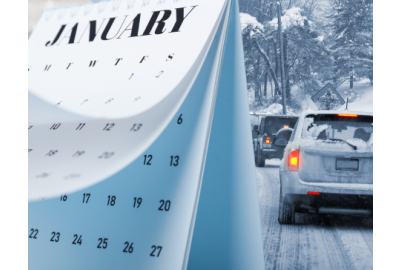
As the calendar flips another day in January, many people are finding themselves battling not only the winter blues but also the challenges that this month brings to their vehicles. From plummeting temperatures to harsh road conditions, January can be particularly tough on your vehicle. What are the various reasons why January poses unique challenges for automobiles and more so, what can you do to ensure your vehicle weathers the storm.
Cold Start Woes: January is known for its frigid temperatures, especially in the northern hemisphere. Cold starts can be particularly harsh on your vehicle's engine and battery. The oil becomes thicker in colder temperatures, making it more challenging for the engine to turn over. Additionally, batteries are less efficient in the cold, leading to potential starting issues. To combat this, consider using a block heater or parking your vehicle in a garage to maintain a slightly warmer temperature.
Battery Blues: The cold weather significantly reduces a battery's ability to hold a charge and deliver power. In extreme cold, batteries can even freeze, leading to permanent damage. Regularly check your battery's health, and if it's more than a few years old, consider replacing it before the winter hits. Keeping your vehicle in a garage or using a battery warmer can also help alleviate some of these issues. You also can check out the line up by Auto Meter
Tire Troubles: January often brings snow, ice, and slippery road conditions. This means your tires need to be in top-notch condition for optimal traction. Cold temperatures can cause tire pressure to drop, leading to decreased fuel efficiency and compromised handling. Regularly check and maintain proper tire pressure, and consider switching to winter tires for improved grip in snowy and icy conditions.
Salt and Road Deicers: While road salt and deicing agents are essential for maintaining safe road conditions, they can wreak havoc on your vehicle. The salt can accelerate rusting and corrode the undercarriage, brake lines, and other metal components. Regularly wash your vehicle, paying attention to the undercarriage, to remove salt and prevent long-term damage.
Fluid Freezing: Essential fluids, such as engine coolant and windshield washer fluid, can freeze in extremely cold temperatures. Ensure that your coolant (Check out Evans waterless engine coolant, that protects your ride) is at the correct concentration for winter and consider using a winter-grade windshield washer fluid that can withstand lower temperatures. This will help prevent freezing and keep your vehicle running smoothly.
Visibility Challenges: January often brings reduced visibility due to snow, sleet, and freezing rain. Ensure that your windshield wipers are in good condition, and replace them if needed. Keep your windshield washer fluid reservoir filled, and carry an extra supply in your vehicle. Additionally, make sure your defroster is working effectively to maintain clear visibility.
Conclusion:
While January may present its fair share of challenges for your vehicle, and same for February, proactive maintenance and preparation can go a long way in ensuring a smoother ride through the next month or two. Regular check-ups, investing in items to keep you on the road, and taking precautions against the cold will help your vehicle brave the January and February storms and emerge ready for the road ahead. So, buckle up, stay vigilant, and make sure your vehicle is up for the challenge this January!
Cheers
Shop Eddies
